
Kolkata Tram History: A Love Story Between a City and Its Rails
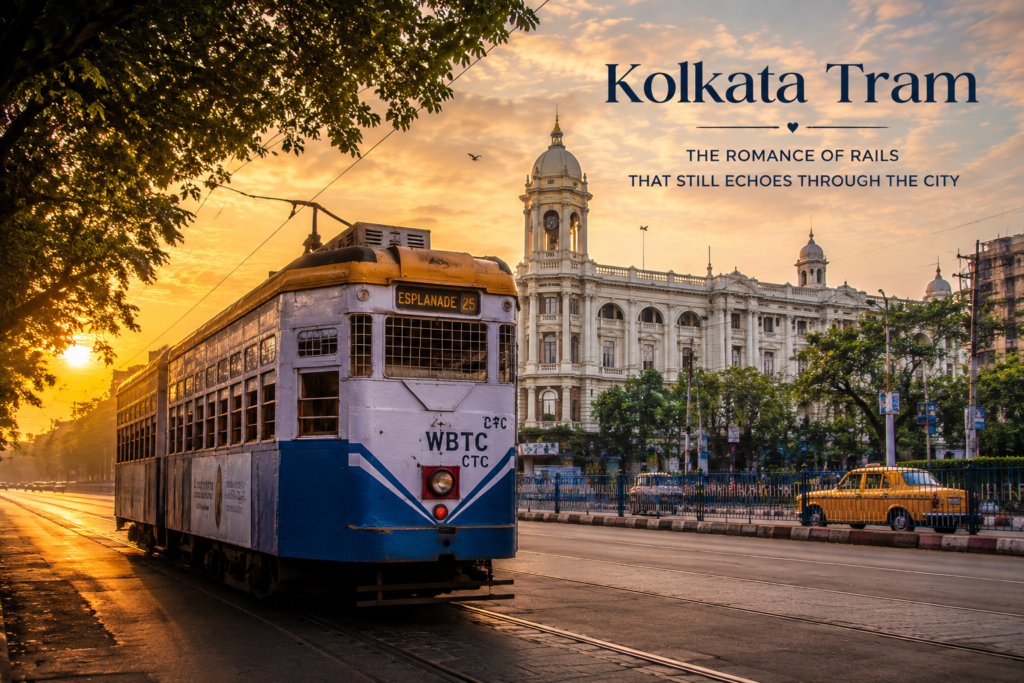
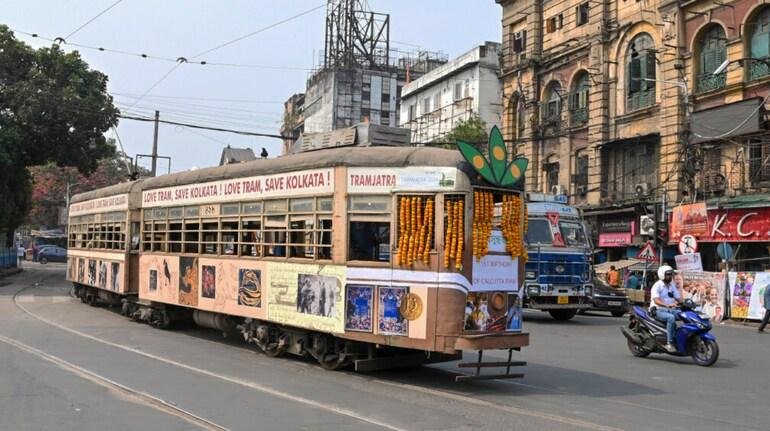
There are cities that grow with time, and then there are cities that carry their history alongside them. Kolkata belongs to the latter. Amid the towering flyovers, buzzing metro lines, and modern traffic, a gentle metallic bell still rings in certain corners of the city. It is the sound of Kolkata’s tram—the oldest operating electric tram system in Asia and one of the city’s most cherished symbols.
For over 150 years, Kolkata trams have witnessed love stories, political movements, celebrations, heartbreaks, and generations of change. More than a mode of transport, the tram is a living memory of the City of Joy.
The Beginning: When the Journey Started in 1873
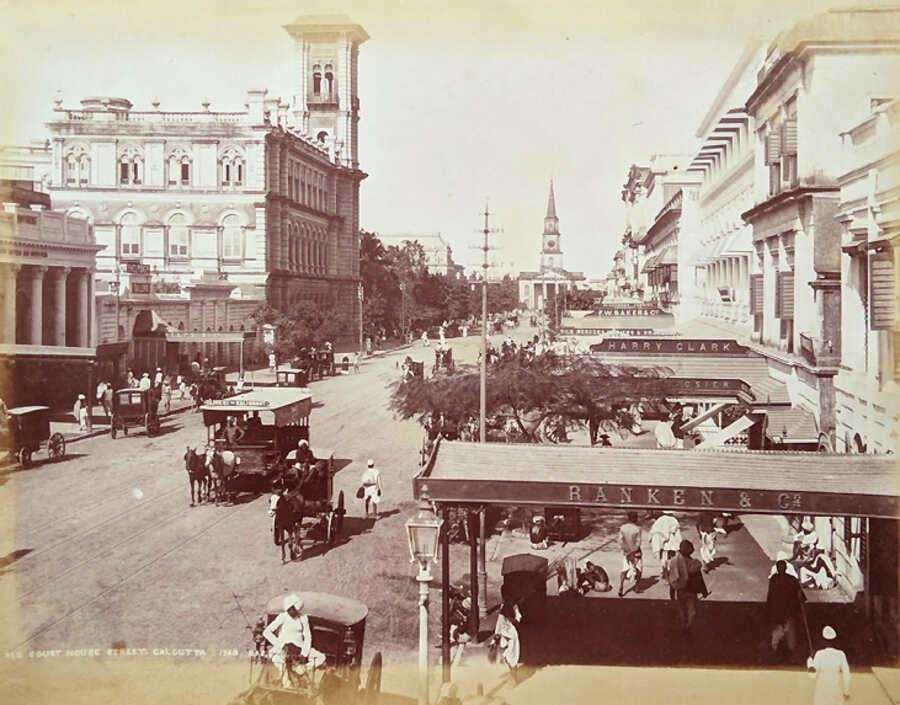
The history of Kolkata trams began on February 24, 1873. The first tram service ran between Sealdah and Armenian Ghat, covering a distance of approximately 3.8 kilometers. These early trams were horse-drawn and represented a revolutionary step in urban transportation.
Although the initial experiment was short-lived, the idea captured public imagination. Kolkata was then the capital of British India and one of the most important commercial centers in Asia. A reliable urban transport system was becoming increasingly necessary.
In 1880, tram services were formally introduced under the Calcutta Tramways Company (CTC). Horse-drawn trams soon became a familiar sight on the city’s roads, carrying passengers through bustling markets and colonial neighborhoods.
The Electric Revolution
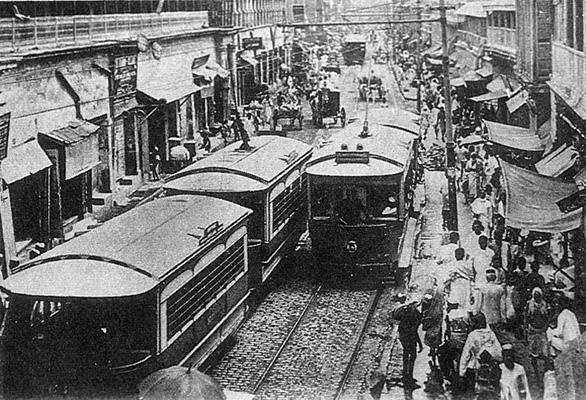
The true transformation arrived in 1902 when Kolkata introduced electric trams.
This was a historic achievement. Kolkata became the first city in Asia to operate electric trams. The electric system brought efficiency, speed, and comfort while reducing dependence on horse-drawn transport.
As electric lines expanded across the city, trams became an integral part of daily life. They connected commercial districts, residential neighborhoods, educational institutions, and cultural hubs.
For many residents, the tram was more than transportation—it was a moving window to the city’s soul.
The Golden Era of Kolkata Trams
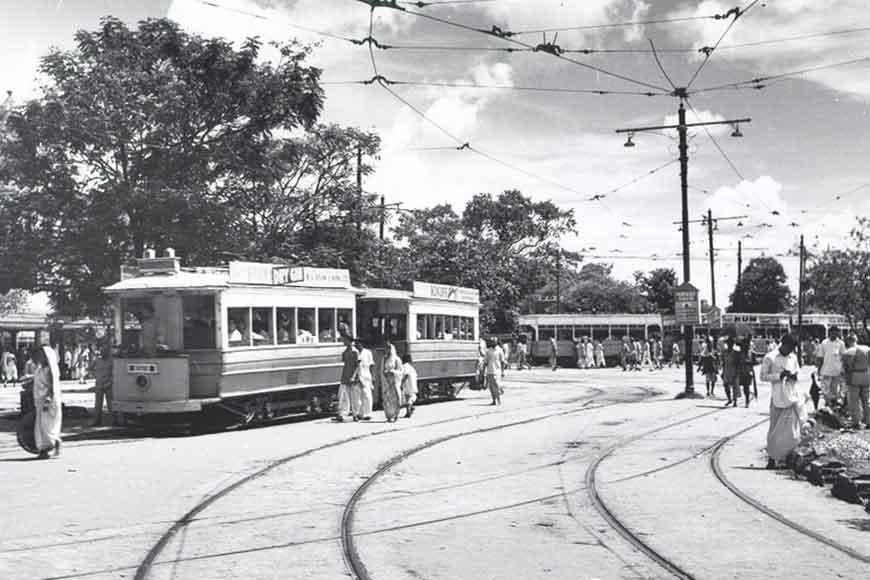
The period from the 1920s to the 1960s is often regarded as the golden age of Kolkata trams.
Thousands of commuters depended on trams every day. The network expanded significantly, reaching various parts of the city. During this era, the distinctive green-and-cream tramcars became iconic symbols of Kolkata.
Students traveled to colleges on trams.
Office workers relied on them to reach workplaces.
Writers and artists found inspiration while gazing through tram windows.
Couples discovered quiet moments amidst the rhythmic movement of the tracks.
The tram became woven into Kolkata’s cultural fabric. It appeared in literature, paintings, films, and songs, earning a place in the city’s collective imagination.
Why Kolkata Fell in Love with Trams
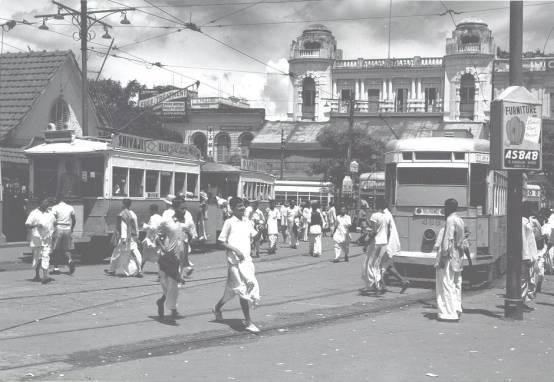
Unlike buses or taxis, trams move slowly.
For many cities, slowness may seem like a disadvantage. For Kolkata, it became part of the charm.
The tram allowed people to experience the city rather than merely pass through it. Passengers could watch old mansions, roadside tea stalls, flower markets, and everyday life unfold outside their windows.
The gentle ringing bell, the creaking tracks, and the leisurely pace created a unique atmosphere.
Many Kolkata residents often describe tram journeys as romantic. A tram ride during a rainy afternoon or a winter evening remains one of the city’s most nostalgic experiences.
Trams During Historical Moments
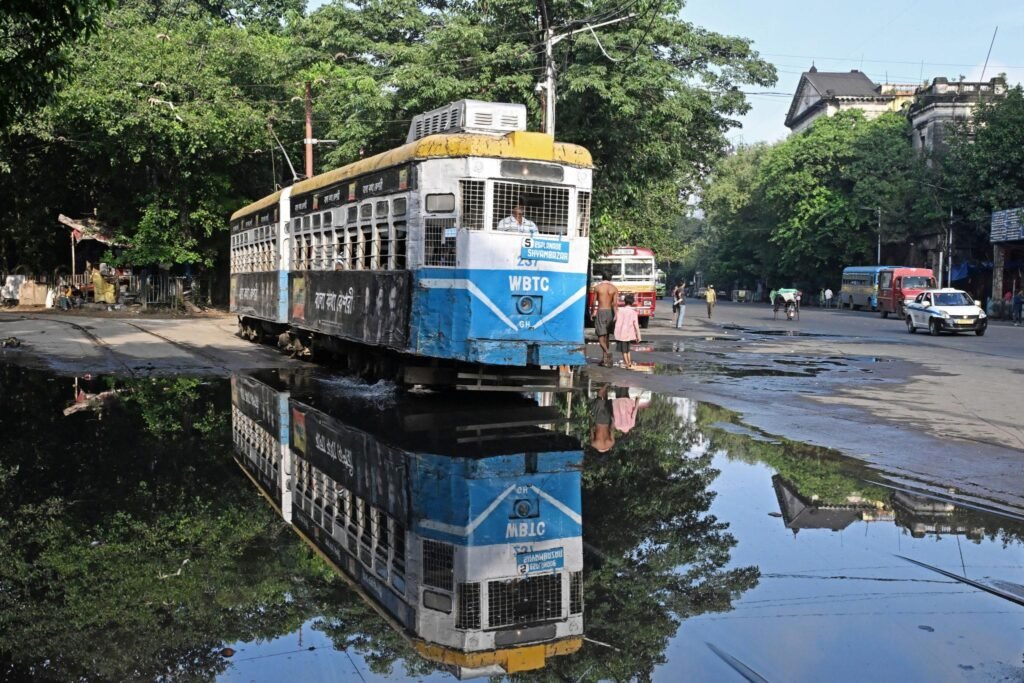
Kolkata trams have witnessed some of the most significant moments in Indian history.
They operated during the final decades of British rule, saw the rise of India’s independence movement, and continued through the dramatic years surrounding Partition in 1947.
Trams carried refugees, workers, students, and ordinary citizens during periods of social and political transformation.
The tracks became silent witnesses to changing times.
Few transport systems anywhere in the world can claim such a deep connection with history.
Challenges of Modernization
As Kolkata expanded rapidly after independence, transportation needs evolved.
The arrival of buses, private vehicles, taxis, and eventually the Kolkata Metro changed urban mobility patterns.
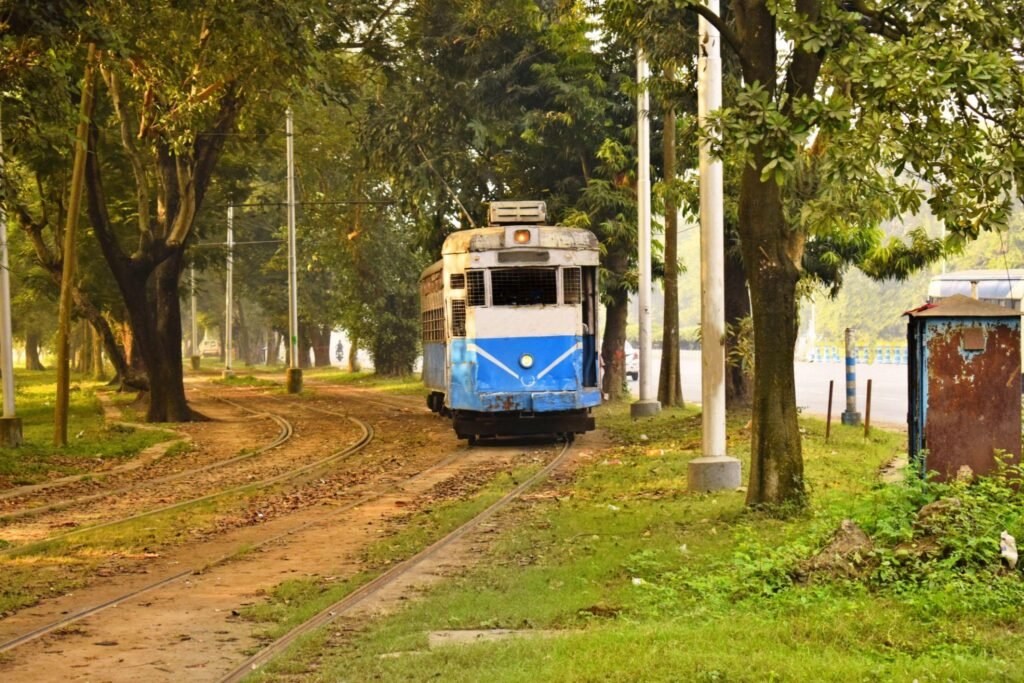
Road congestion increased significantly. Since trams share road space with other vehicles, maintaining smooth operations became increasingly difficult.
Several challenges emerged:
- Traffic congestion
- High maintenance costs
- Aging infrastructure
- Reduced operational efficiency
- Expansion of alternative transport systems
Gradually, many tram routes were discontinued.
What was once a vast network spanning large portions of the city began shrinking year after year.
The Emotional Connection Remained Strong
Despite operational challenges, public affection for trams never disappeared.
Many Kolkatans viewed tram closures as the loss of a cultural treasure rather than merely a transportation service.
Historians, environmentalists, heritage activists, artists, and ordinary citizens repeatedly voiced support for preserving the tram system.
Their argument was simple:
A city can modernize without erasing its identity.
For them, trams represented Kolkata’s character, history, and uniqueness.
Trams in Bengali Cinema and Literature
The romance of Kolkata trams extends beyond the streets.
Countless Bengali films have featured trams as symbols of nostalgia and urban beauty.
Legendary filmmakers used trams to depict the rhythm of city life. Writers often described tram journeys as moments of reflection, where passengers observed life unfolding through rain-streaked windows.
Many famous love stories in Bengali literature include scenes set inside trams.
The slow movement, intimate seating arrangements, and old-world atmosphere created the perfect backdrop for romance.
Even today, photographers and filmmakers continue to use trams as visual representations of Kolkata’s timeless charm.
Environmental Benefits of Trams
In an era of climate concerns and urban pollution, trams have gained renewed relevance.
Electric trams offer several environmental advantages:
Zero Tailpipe Emissions
Since trams operate on electricity, they do not produce direct road-level emissions.
Energy Efficiency
Trams can transport large numbers of passengers while consuming comparatively less energy per person.
Reduced Carbon Footprint
Modern cities worldwide are investing in electric public transportation systems to reduce environmental impact.
Sustainable Urban Mobility
Trams align with global goals of sustainable and eco-friendly transportation.
Ironically, a technology introduced over a century ago now appears remarkably modern from an environmental perspective.
Current Situation of Kolkata Trams
Today, Kolkata’s tram network is significantly smaller than it once was.
Many routes have been discontinued due to urban development projects, traffic management requirements, and infrastructure changes.
However, the tram has not disappeared.
Instead, it has gradually evolved from a purely functional transport system into a heritage symbol.
The remaining tram services continue to attract:
- Heritage enthusiasts
- Tourists
- Photographers
- Historians
- Environmental advocates
Special heritage tram rides have also been introduced to celebrate Kolkata’s unique transport legacy.
For visitors, riding a tram offers a chance to experience a piece of living history.
Heritage Tourism and the Future
Around the world, historic tram systems have become major tourist attractions.
Cities such as Lisbon, Melbourne, and San Francisco proudly preserve their tram heritage while integrating it into modern tourism.
Many experts believe Kolkata has similar potential.
A well-maintained heritage tram network could:
- Promote tourism
- Preserve cultural identity
- Generate economic activity
- Encourage sustainable transport awareness
- Strengthen Kolkata’s global image
The tram’s value today extends beyond transportation—it represents a unique urban experience.
The Romance That Refuses to Fade
Perhaps the most remarkable aspect of Kolkata trams is their emotional power.
Generations have changed.
Technology has transformed communication.
Transportation has become faster than ever.
Yet the sight of a tram gliding through Kolkata still evokes something special.
It reminds people of slower afternoons, handwritten letters, college days, first love, and a city that never forgot its past.
The tram is not merely steel on rails.
It is memory in motion.
Conclusion
The story of Kolkata trams is the story of Kolkata itself—a city where history and modernity continue to coexist.
From its humble horse-drawn beginnings in 1873 to becoming Asia’s first electric tram system and eventually a treasured heritage icon, the tram has traveled through every chapter of the city’s journey.
While its operational footprint may have diminished, its cultural significance remains immense.
As long as the tram bell echoes through Kolkata’s streets, it will continue to tell stories of romance, resilience, nostalgia, and identity.
Because in Kolkata, the tram is not just transportation.
It is a love story that still runs on rails.