

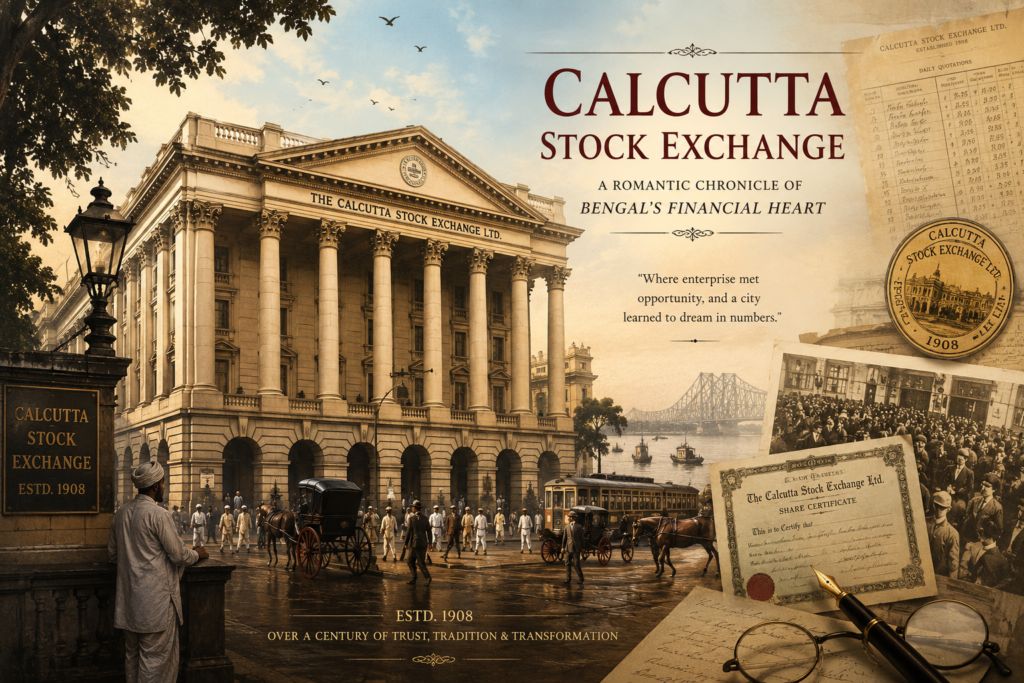

🏛 The Birth of a Financial Institution
The Calcutta Stock Exchange (CSE) traces its lineage to the mid-19th century, when brokers gathered beneath a neem tree near Netaji Subhas Road to trade East India Company securities. This informal congregation symbolized the nascent romance between commerce and community in colonial Calcutta. By 1863, sixteen brokers formalized their association at 11 Strand Road, laying the foundation for what would become one of Asia’s oldest bourses.
In 1908, the Calcutta Stock Exchange Association was officially incorporated at 2, China Bazar Street, with 150 members. The institution’s growth mirrored Bengal’s economic rise, fueled by jute, tea, coal, and shipping industries.
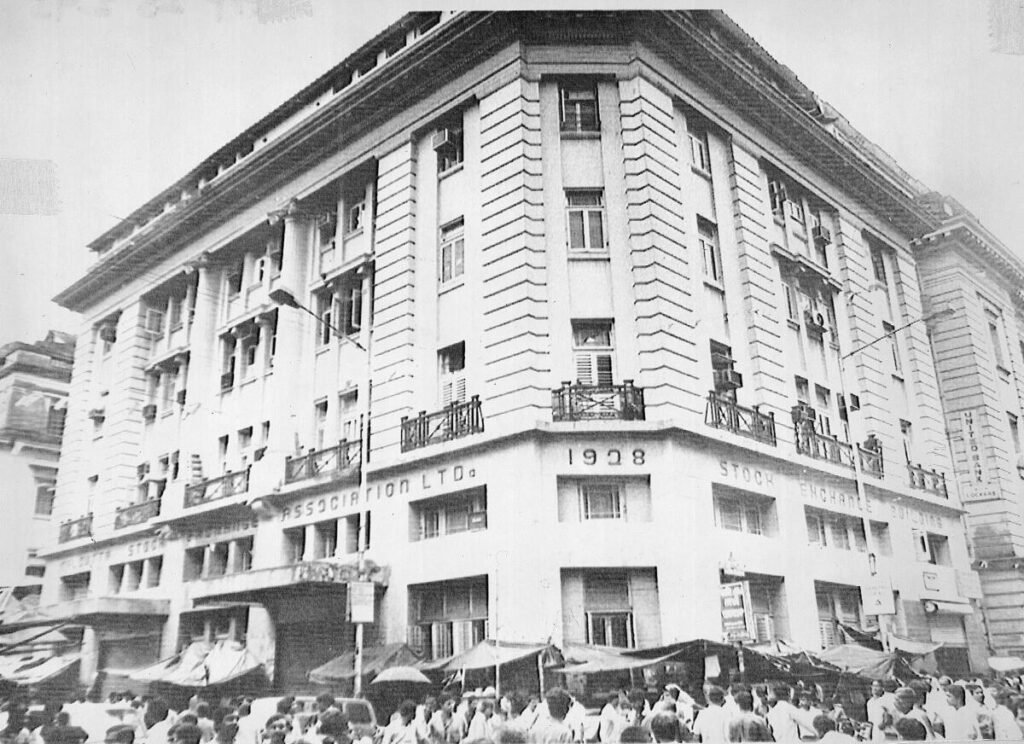
🌸 The Lyons Range Era
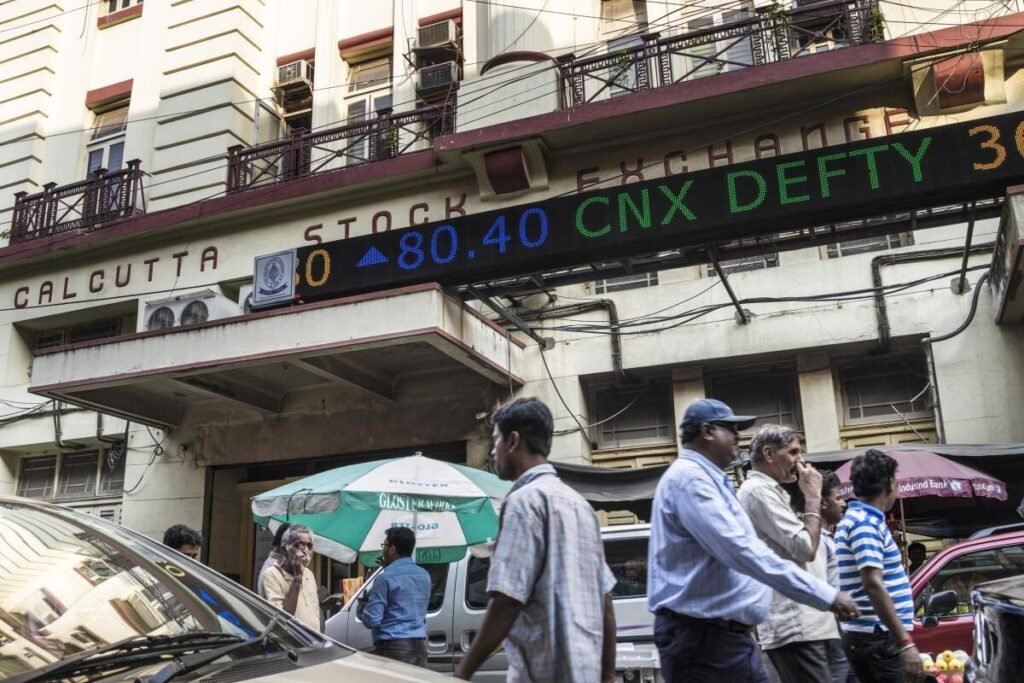
The construction of the Lyons Range building in 1928 marked a turning point. Its colonial façade, arched windows, and marble interiors became the romantic theatre of Bengal’s financial destiny. Brokers in starched suits, clerks with fountain pens, and entrepreneurs with dreams filled its chambers.
Here, fortunes were made and lost, but every transaction carried the poetry of ambition. The building itself became a symbol of Calcutta’s romance with finance — a place where commerce was not merely arithmetic but a narrative of human desire.
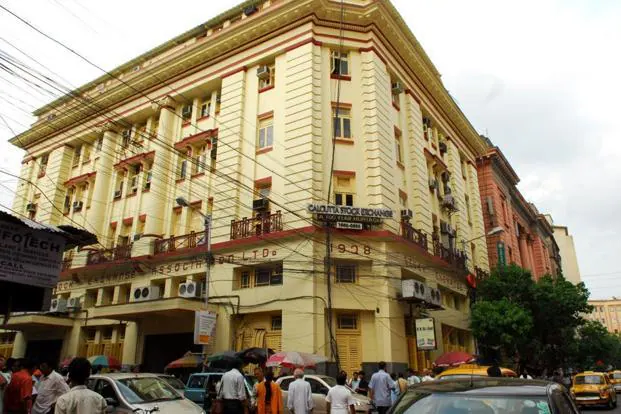
✨ Offices of the Past
Within Lyons Range, the CSE hosted:
- British trading houses managing global capital flows.
- Brokerage firms specializing in jute, tea, and coal.
- Indian entrepreneurs who rose to prominence in the 20th century.
Each office was a romantic stage, where contracts were sealed with handshakes and ledgers inked with destiny. The atmosphere was charged with the heartbeat of Bengal’s economy, echoing through its corridors.
🌹 Offices That Still Operate
Though SEBI suspended trading in 2013, the building remains alive:
- Administrative offices of CSE continue to function, preserving its legacy.
- Financial consultancies and allied firms still occupy parts of Lyons Range.
- The building itself stands as a heritage landmark, a living relic of Bengal’s financial romance.
🚤 The Atmosphere of Lyons Range
Walking into the CSE today is akin to stepping into a historian’s love letter:
- The grand staircase whispers of hurried brokers.
- The boardrooms, once lit by candlelight, now echo with silence yet retain their aura.
- The colonial façade gazes over B.B.D. Bagh like a lover’s eyes, timeless and watchful.
📜 The Historian’s Perspective
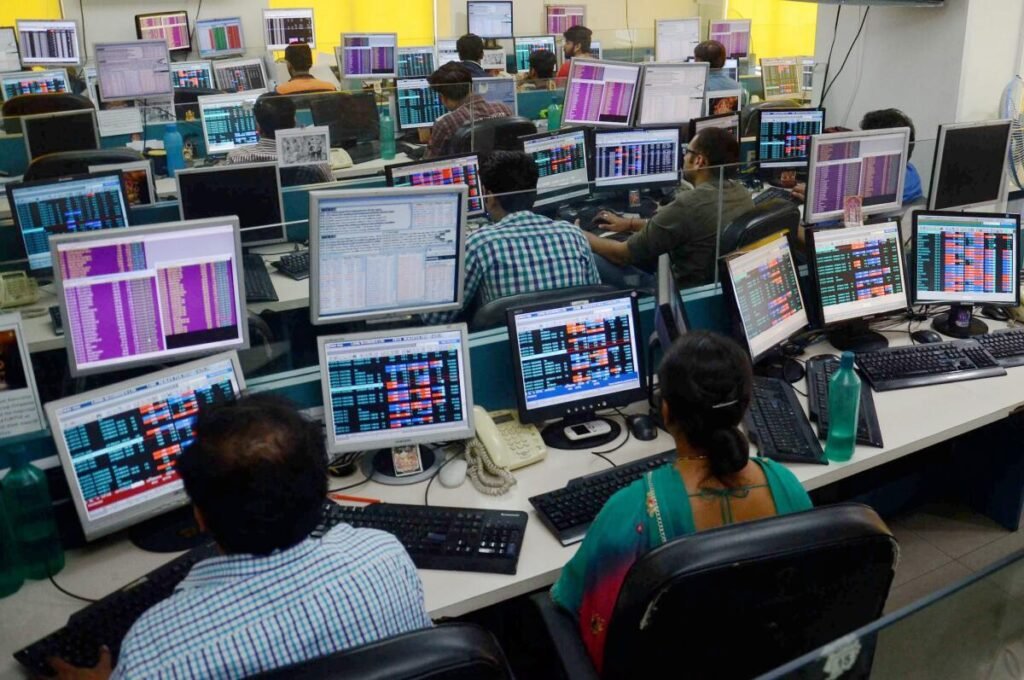
The Calcutta Stock Exchange is not merely a financial institution; it is a chronicle of Bengal’s economic soul. From neem tree gatherings to electronic trading (C-STAR introduced in 1997), it has witnessed:
- The rise of jute and tea industries.
- The turbulence of partition and payment crises.
- The resilience of brokers and entrepreneurs who kept Bengal’s flame alive.
Even in suspension, the CSE remains a romantic monument to ambition, risk, and reward.
🌺 Conclusion
The Calcutta Stock Exchange is a historian’s romance — a place where finance became poetry, where ambition met architecture, and where Bengal’s destiny was scripted in ledgers and love. Its story is not just about commerce but about the romantic intertwining of history, heritage, and human aspiration.